E-commerceApril 23, 2026
Transforming E-commerce with Virtual Reality: New Frontiers in SEO Strategy
Explore how virtual reality is revolutionizing e-commerce and discover innovative SEO strategies to enhance user engagement and drive sales.
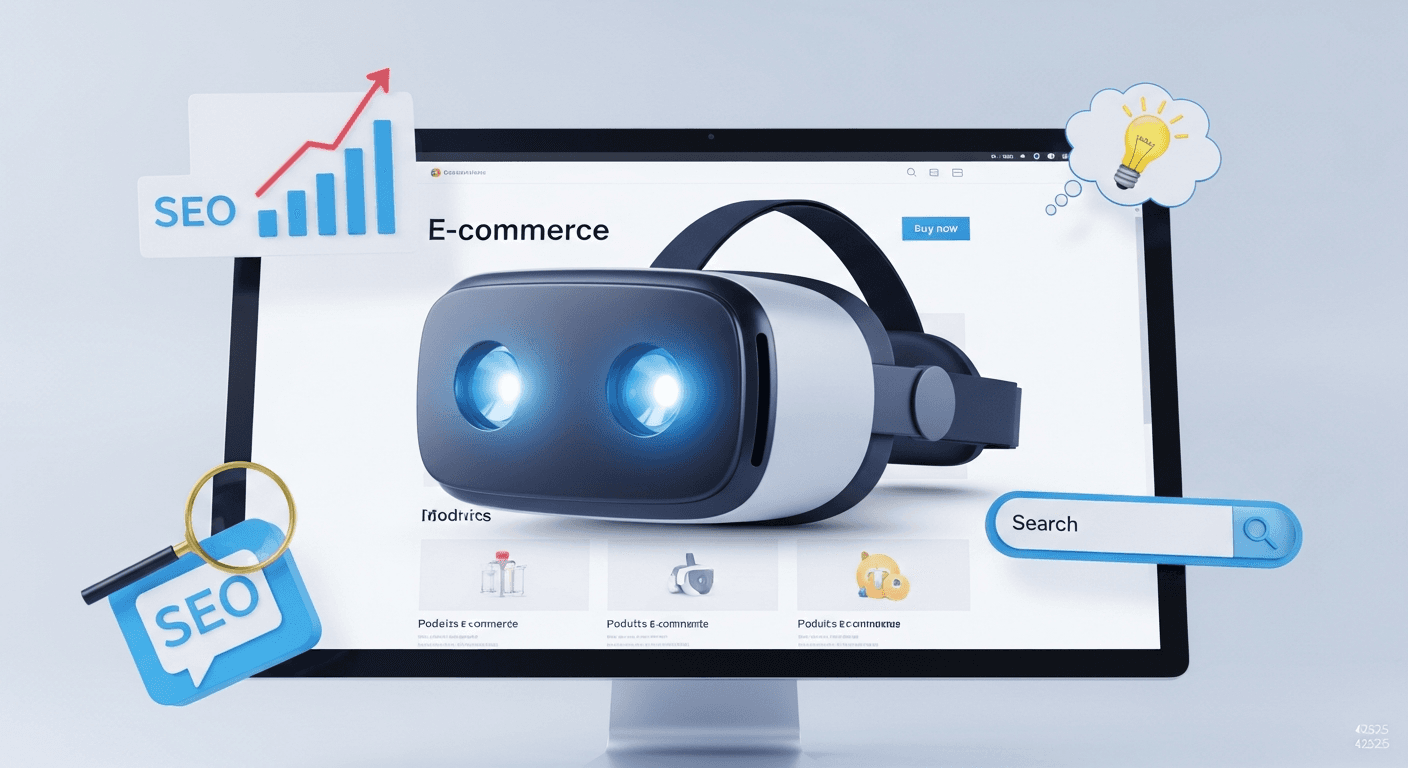
Understanding Virtual Reality in E-commerce
Virtual reality (VR) is revolutionizing the way consumers interact with e-commerce platforms. By immersing users in a 3D environment, VR provides a unique shopping experience that can mimic the physical interaction with products. This technology allows customers to explore products in a virtual space, offering a more interactive and engaging experience that traditional 2D online shopping cannot match.
The integration of VR in e-commerce platforms is relatively new but rapidly growing. As VR technology becomes more accessible and affordable, more retailers are adopting it to enhance customer experience and increase sales. From virtual showrooms to interactive 3D product models, VR is setting the stage for the future of online shopping.
Understanding how VR can be integrated into e-commerce is crucial for businesses looking to stay ahead in a competitive market. It not only impacts user experience but also influences purchasing decisions, leading to higher conversion rates and customer satisfaction.
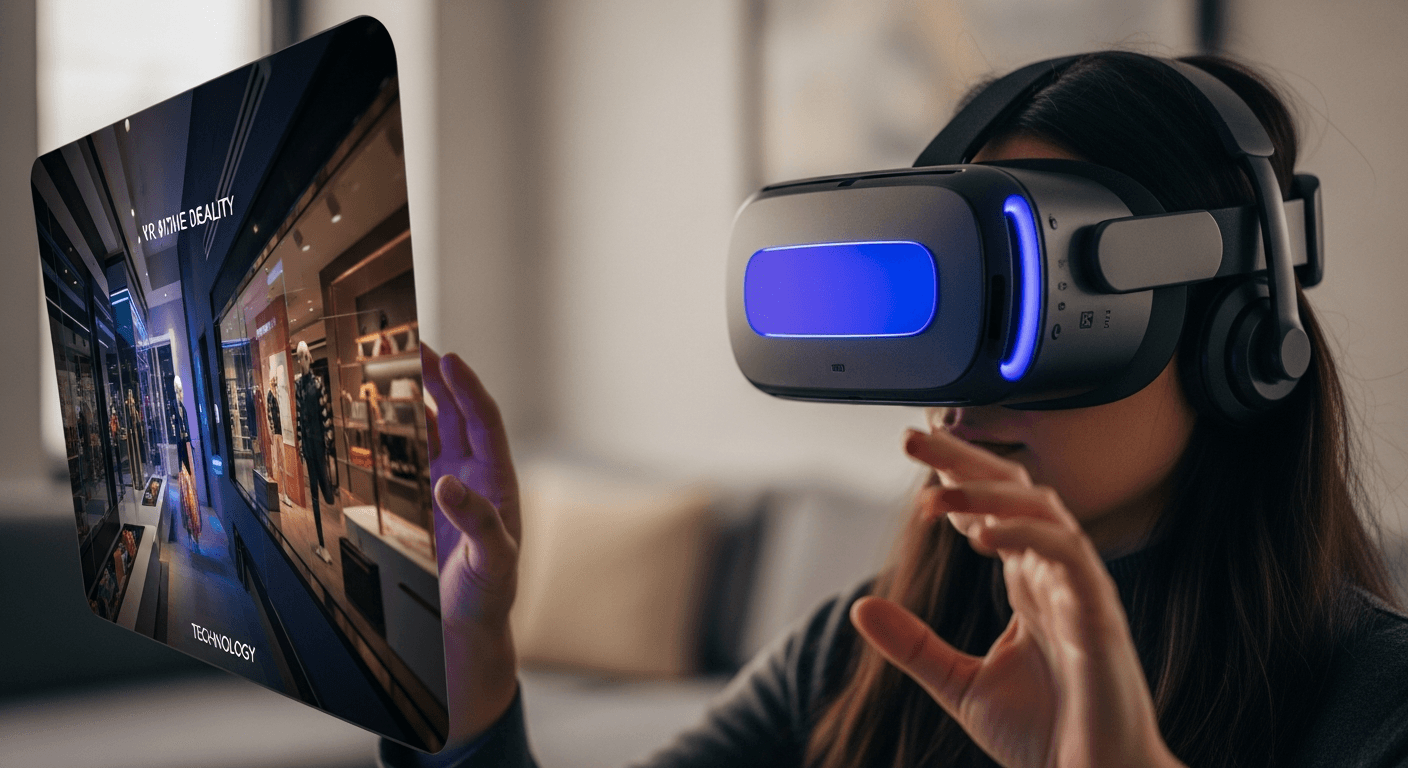
The Impact of VR on Consumer Behavior
Virtual reality significantly influences consumer behavior by providing a more engaging and realistic shopping experience. Studies show that immersive environments can increase the time users spend on a website, leading to greater brand exposure and higher chances of conversion. VR enables customers to visualize products in their own environment, which can reduce uncertainty and enhance decision-making.
Moreover, VR can evoke emotions and sensory experiences that can enhance brand perception. This emotional connection can foster loyalty and encourage repeat purchases. By offering an innovative shopping experience, businesses can differentiate themselves from competitors and build a strong brand identity.
However, it's important to consider that while VR can enhance user experience, it may also present challenges such as technological barriers and user resistance. Businesses need to ensure that VR features are user-friendly and widely accessible to maximize their impact on consumer behavior.

SEO Best Practices for VR-Enhanced Platforms
Incorporating VR into e-commerce requires a shift in SEO strategies to ensure visibility and discoverability. Traditional SEO techniques still apply, but additional considerations must be made for VR content. For instance, optimizing 3D assets for search engines is crucial. This includes using descriptive filenames, alt texts, and ensuring fast loading times for VR content.
- Optimize 3D models with descriptive metadata.
- Use VR-specific keywords to target niche audiences.
- Ensure fast loading times for seamless VR experiences.
Furthermore, it's essential to focus on mobile optimization, as many consumers access VR content through mobile devices. Ensuring that VR experiences are compatible with mobile platforms can enhance accessibility and user experience. Leveraging schema markup for VR content can also improve search engine understanding and indexing.
Tip: Use schema markup to help search engines understand and index your VR content more effectively.
Integrating VR into Your E-commerce Strategy
Integrating VR into an e-commerce strategy requires thoughtful planning and execution. Businesses need to evaluate their target audience and determine how VR can enhance the customer journey. This may involve creating virtual showrooms, offering 3D product models, or developing immersive brand experiences.
Collaboration between technology experts and marketing teams is essential to ensure that VR solutions are both technically sound and aligned with marketing goals. Additionally, businesses should consider the cost of VR implementation and weigh it against the potential return on investment. Pilot testing VR features can provide valuable insights into user engagement and technical performance before a full-scale launch.
Feedback from customers is crucial for refining VR experiences. Businesses should actively seek user feedback to understand pain points and areas for improvement. Continuous optimization based on user input can lead to more effective VR solutions and better customer satisfaction.
- Evaluate target audience for VR readiness.
- Pilot test VR features before full-scale launch.
- Continuously optimize VR based on user feedback.
Future Trends: VR and the Evolution of SEO
As VR technology evolves, so too will the strategies surrounding its integration with SEO. Future trends indicate a growing use of augmented reality (AR) and mixed reality (MR) alongside VR, creating a more comprehensive digital ecosystem. These technologies will drive the need for more advanced SEO strategies that can accommodate a wide array of immersive content.
The future of SEO is immersive. As VR and AR become mainstream, the demand for optimized, engaging experiences will redefine how businesses approach digital marketing.
Voice search and AI-driven algorithms will also play a significant role in the evolution of SEO for VR content. As consumers increasingly rely on smart assistants and voice-activated searches, businesses will need to optimize for voice search to maintain visibility. AI will aid in personalizing VR experiences, requiring new SEO tactics to ensure that personalized content is discoverable and relevant.
Stay ahead: Keep up with emerging VR and AR technologies to adapt your SEO strategy effectively.