SEOMay 1, 2026
Enhancing SEO Strategies with the Evolution of Digital Twins: A 2024 Perspective
Explore how digital twins are transforming SEO strategies, driving innovation in content optimization and audience engagement for 2024.
Understanding Digital Twins: A Brief Overview
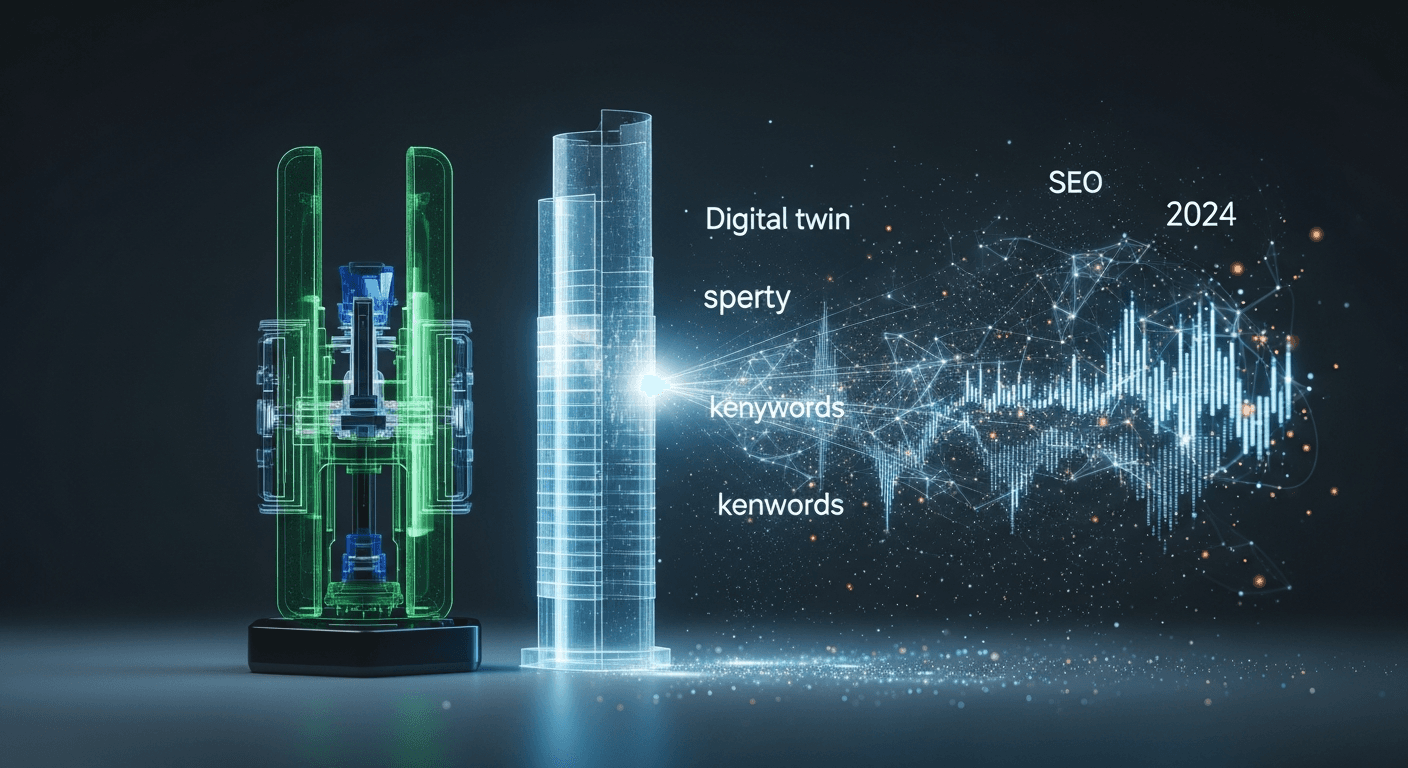
Digital twins are sophisticated virtual models that mirror physical entities, enabling real-time monitoring and analysis. This concept has evolved significantly since its inception in the manufacturing sector, where it was initially used to optimize machine performance and predict maintenance needs. Today, digital twins are revolutionizing sectors beyond manufacturing, such as healthcare—by modeling patient vitals—and urban planning, where they simulate city infrastructure to optimize traffic flow. With advancements in IoT and AI technologies, creating and managing digital twins has become more feasible and cost-effective, allowing small and large businesses alike to leverage their potential.
In the realm of digital marketing, digital twins present a groundbreaking opportunity to simulate and analyze customer interactions in a virtual space. This allows marketers to gather insights without impacting the actual user experience. By utilizing digital twins, businesses can predict consumer behavior more accurately, tailor content strategies, and enhance overall user experience. This technology is particularly beneficial in crafting personalized marketing campaigns, as it provides a detailed understanding of customer preferences and behaviors.
- Enhancing predictive maintenance in manufacturing
- Optimizing patient care in healthcare
- Improving urban infrastructure in city planning
The Intersection of Digital Twins and SEO
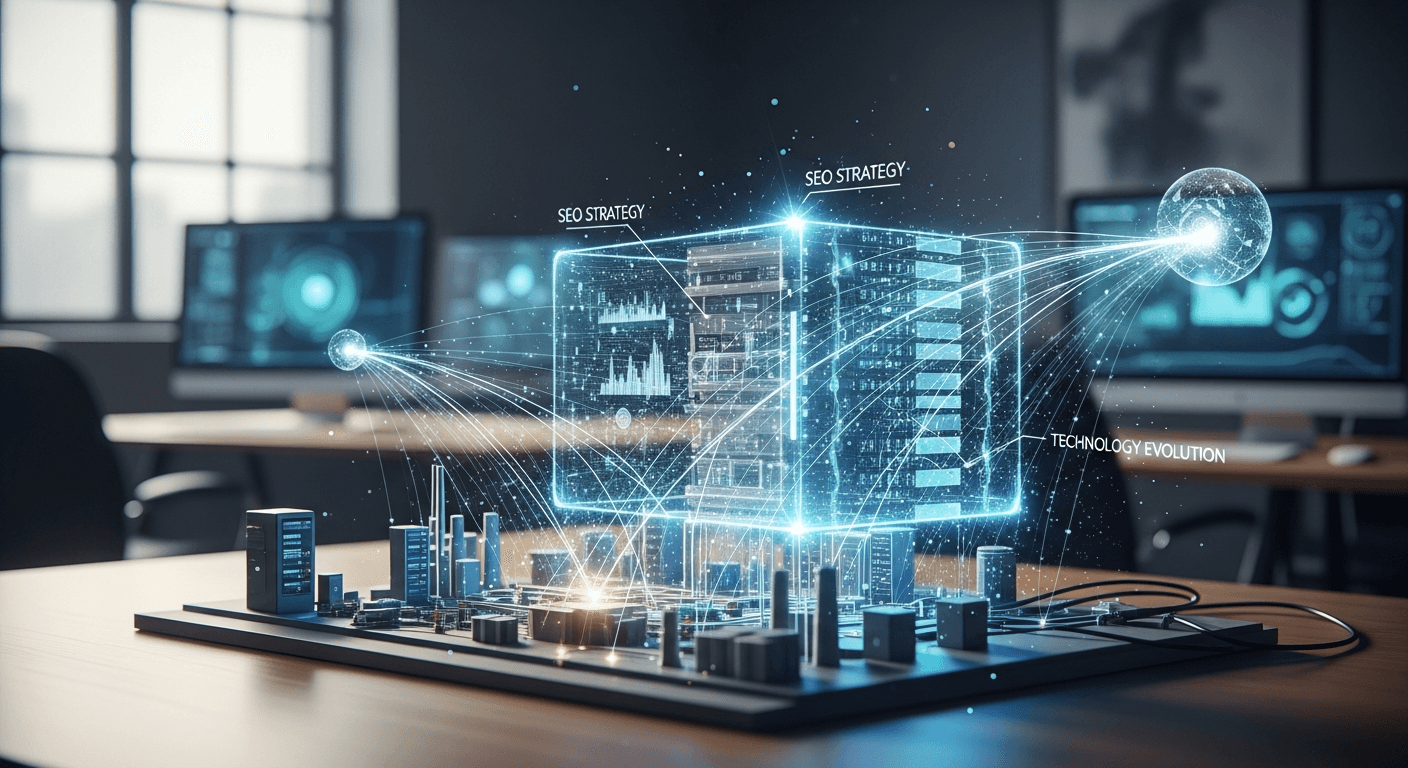
SEO is the art and science of increasing a website's visibility on search engines. With digital twins, SEO strategies can be refined through more accurate simulations of user interactions and search engine responses. For instance, by creating a digital twin of a website, businesses can test various scenarios, such as layout changes or new content, to see how these alterations affect user behavior and search engine rankings. This proactive approach allows for data-driven decisions that can lead to significant improvements in traffic and engagement metrics.
Furthermore, digital twins enable businesses to anticipate changes in search engine algorithms by simulating potential updates and their impact on site performance. By staying ahead of algorithm changes, companies can maintain or even improve their rankings. This capability is particularly valuable in competitive industries, where staying at the top of search results can translate into substantial business gains.
- Creating virtual models for testing SEO changes
- Simulating algorithm changes to stay ahead
- Enhancing site performance through refined strategies
Innovative Content Optimization with Digital Twins
Content is king in the digital marketing world, and digital twins can take content optimization to the next level. By using digital twins to simulate user interactions with different content types and formats, businesses can identify which elements resonate most with their audience. This allows for the optimization of not just textual content, but also multimedia elements such as images and videos, ensuring that every piece of content is geared towards maximizing engagement and conversion rates.
A practical example is the use of digital twins to conduct in-depth A/B testing. Traditionally, A/B testing involves exposing actual users to different versions of a webpage to see which performs better. However, with digital twins, these tests can be conducted in a virtual environment, where different scenarios are simulated, and outcomes are predicted with great accuracy. This reduces the risk of negatively affecting user experience while still gaining valuable insights into content effectiveness.
Utilizing digital twins for virtual A/B testing ensures that content strategies are both effective and user-friendly.
Enhancing User Engagement Through Simulated Environments
User engagement is a primary indicator of a website's success, and digital twins provide an innovative approach to enhancing this metric. By simulating entire user journeys, businesses can pinpoint where users are most likely to drop off or become disengaged. These simulations can help in redesigning elements of the user interface to be more intuitive, thereby improving overall user satisfaction.
Moreover, digital twins allow for the personalization of user experiences on a granular level. By predicting user preferences and behaviors, businesses can offer personalized content and recommendations, significantly increasing the likelihood of user engagement. For instance, an e-commerce platform can use digital twin data to tailor product recommendations based on simulated user journeys, enhancing the shopping experience and boosting sales.
Digital twins not only transform data analysis but also revolutionize the way businesses interact with their audience.
Future Predictions: Digital Twins Shaping SEO in 2024
As we approach 2024, the role of digital twins in SEO is expected to expand significantly. With continuous advancements in AI and machine learning, digital twins will become more sophisticated, offering even deeper insights into consumer behavior and market trends. This evolution will empower businesses to create SEO strategies that are not only highly adaptive but also predictive, anticipating market shifts and consumer demands with precision.
In the near future, digital twins are likely to become an integral part of everyday SEO practices, offering tools and insights previously unavailable. As more companies adopt this technology, the competitive landscape of digital marketing will evolve, pushing marketers to innovate and adapt continuously. Small businesses, in particular, will benefit from the democratization of digital twin technology, allowing them to compete more effectively with larger enterprises.
Embracing digital twins now will prepare businesses for future SEO challenges and opportunities, ensuring they remain competitive in an ever-evolving digital landscape.