SEOApril 29, 2026
Harnessing Augmented Reality in SEO: Strategies for 2024
Explore how augmented reality is transforming SEO strategies in 2024, enhancing user engagement and boosting search rankings by integrating innovative technologies.
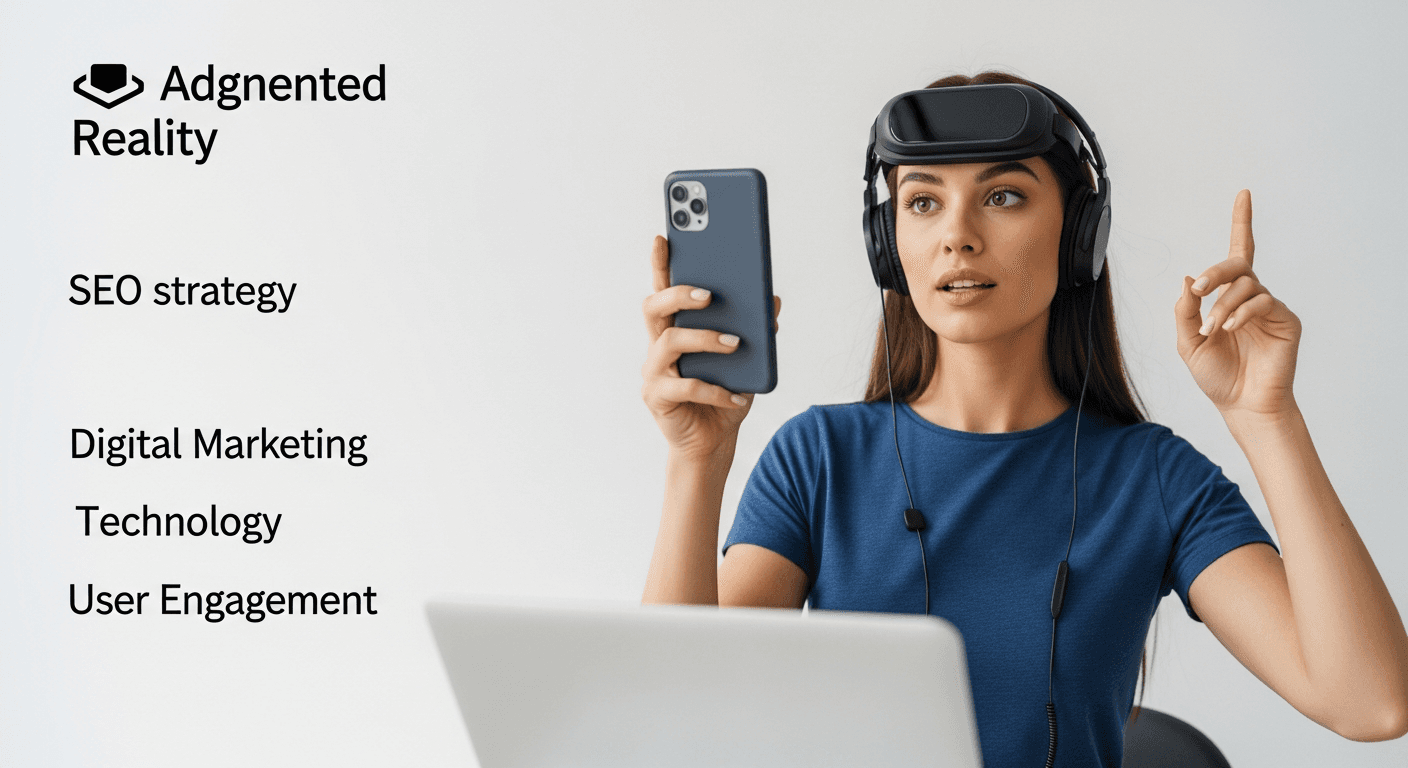
Understanding Augmented Reality: A Primer
Augmented Reality (AR) is an innovative technology that enhances the real-world environment by overlaying digital elements, such as images, sounds, and other sensory inputs. Unlike Virtual Reality (VR), which immerses users in a completely digital environment, AR blends digital components with the physical world, enhancing the user's interaction and experience. This is achieved through devices equipped with sensors and cameras, such as smartphones and AR glasses, which capture the surroundings and integrate digital information seamlessly.
The rapid advancement of AR technology has led to its adoption across various sectors, including gaming, healthcare, education, and retail. In the context of digital marketing, AR presents a unique opportunity to create immersive experiences that captivate audiences. As AR technology becomes more sophisticated and accessible, businesses are increasingly exploring its potential to enhance their SEO strategies, improve customer engagement, and drive conversions. The integration of AR into digital marketing offers a competitive edge by providing unique, interactive experiences that traditional methods cannot match.

The Impact of AR on User Engagement and SEO
AR significantly enhances user engagement by providing interactive experiences that hold the user's attention longer than static content. This increased engagement is crucial because search engines like Google prioritize content that keeps users on a page longer, as it typically indicates valuable and relevant information. By improving metrics such as dwell time and reducing bounce rates, AR can positively influence SEO performance and rankings.
Beyond engagement, AR also encourages users to share their experiences on social media and other platforms, generating organic traffic. This shareability is an invaluable asset for SEO, as it amplifies content reach and attracts new visitors without paid promotion. Moreover, AR can drive repeat traffic by offering unique, memorable experiences that users want to revisit, thereby increasing customer loyalty and further boosting SEO metrics.
- Enhanced user engagement through interactive experiences
- Longer dwell time on websites
- Reduced bounce rates due to captivating content
- Increased organic traffic from shareable AR experiences
- Improved search engine rankings and online visibility

Integrating AR into Your SEO Strategy
To effectively integrate AR into your SEO strategy, start by identifying how AR can enhance the user journey and align with your business objectives. For example, retailers can implement AR to allow customers to virtually try products before purchasing, thereby increasing confidence in the purchase decision. This approach not only improves customer satisfaction but also reduces return rates, indirectly benefiting SEO by fostering positive reviews and brand reputation.
Optimization of AR content is crucial for maximizing its SEO potential. Ensure that AR experiences are integrated into web pages with relevant metadata and alt text to aid search engines in indexing this content. Additionally, focus on mobile optimization, as most AR experiences are accessed via smartphones. Consider using structured data markup to help search engines understand and display AR content effectively in search results.
Tip: Collaborate with AR developers to create high-quality, engaging AR experiences that are seamlessly integrated with your website and optimized for search engines.
Case Studies: Successful AR Implementation in SEO
Numerous brands have successfully incorporated AR into their SEO strategies to enhance user experience and drive business growth. IKEA's Place app is a prime example, allowing customers to visualize how furniture pieces would look and fit in their own spaces using AR. This application not only enhanced the purchasing process but also increased IKEA's online visibility, contributing to higher conversion rates and customer satisfaction.
Another notable case is L'Oréal's AR makeup try-on tool, which enables users to virtually apply makeup products. This tool has significantly boosted L'Oréal's digital engagement by offering a personalized shopping experience that encourages users to spend more time interacting with their products. The increased user interaction and social shares have positively impacted L'Oréal's SEO, driving more traffic to their website and improving their search engine rankings.
- IKEA: AR furniture visualization for improved customer experience
- L'Oréal: Virtual makeup try-on increasing user interaction
- Home Depot: AR paint color app enhancing decision-making
Future Trends: The Evolution of AR in SEO
Looking ahead, the evolution of AR technology is poised to have a profound impact on SEO strategies. As AR becomes more advanced, personalized AR experiences tailored to individual preferences will become more prevalent. These experiences will not only enhance user satisfaction but also increase the likelihood of content sharing, further boosting SEO metrics.
The rollout of 5G technology will play a pivotal role in advancing AR's capabilities. With faster internet speeds and lower latency, AR experiences will become more seamless and immersive, making them accessible to a wider audience. Businesses that leverage these technological advancements will be able to create more engaging and interactive content, setting themselves apart from competitors and achieving superior SEO results.
Important: Keep abreast of AR advancements and integrate emerging technologies into your SEO strategy to stay competitive in the digital landscape.
Augmented Reality is not just a tool; it is the future of interactive marketing.